I am a huge reader. Ask anyone who knows me, I am always in the middle of a book (or two) at any given point in time. For me, the invention of the Kindle (I have the Sony brand but I blanket name them all Kindles because it's so much easier,kind of like every soda in the south is called Coke) was a gift from Heaven. You mean I can carry around 300 books with me all at one time? Amazing!
This summer especially, I have been taking advantage of the last moments of free time I will have before back to school chaos (or, dare to dream, perfect harmony) ensues to bury my nose in a book every chance I get. But why not kill two birds with one stone? Everyone knows that I am a big proponent of you can never be over-prepared, so I've been reading several books to help guide me through this stressful time of my first year teaching and give me some tips on classroom management/teaching strategies that I would like to implement in my own class. If you are a new teacher or even a seasoned veteran, these books can definitely help you get the year off on the right foot!
My school currently requires every teacher to structure their reading block according to
The Daily Five: Fostering Literacy Independence in the Elementary Grades by Gail Bousher and Joan Moser.

I finished reading this book a couple of weeks ago and only have good things to say about it. It's written by teachers for teachers of all grade levels so these ladies really know a thing or two about teaching kids reading while keeping your classroom in order (and your own sanity!). The whole premise of this method is that by structuring your language block according to The Daily Five, your students will learn to read independently and work on reading for a long duration of time leaving you free to work with individual students or small groups without having to constantly monitor the rest of the classroom. It also emphasizes the importance of student choice in reading and how much a difference it can make if a student really enjoys what they are reading, rather than assigning the whole class one book. It's very straight-forward with exactly what you should say or do when introducing the steps along with detailed diagrams of what anchor charts should look like and a pretty nifty time-line in the back of the book of just when each component should be put in place and how much time you should devote to it. The teachers at my school who have already used this method have raved about it so I can't wait to get the ball rolling on The Daily Five in my own classroom!
Another book that I have just begun to read upon the recommendation of my good friend Mrs. Erin Dyer is
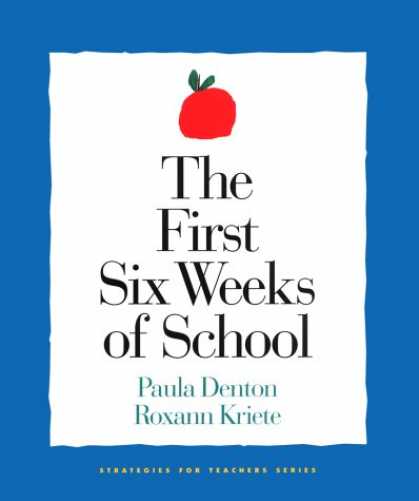
The First Six Weeks of School by Paula Denton and Roxanne Kriete.

As soon as she told me about this book, I got on my computer and ordered it on Amazon because if Erin recommends it, I am definitely going to give it try since she has been teaching for three years now (this year we'll both be teaching first grade) and is so great at what she does! Where do I start with this book? It is just a wonderful resource, and I am so glad I have been able to start reading it before my first year teaching. It emphasizes the importance of those first six weeks of school (obviously, you could tell that time was going to be important from the title) in establishing the tone of your classroom and the procedures for the entire rest of the year. This book has excellent day by day schedules of the first three weeks of school and what you should focus on and implement in that time period as well as a whole appendix of games, activities, poems,and songs to help you establish the way that you want your classroom to run. I haven't finished this book yet, but I can tell you that it has already calmed a lot of my nerves knowing that I will have this book to go back to during those first weeks of school and take some of the guess work out the beginning of the school year planning!
So,those are just a few of the books I have been reading this summer. And believe me, I could ramble on and on about books for teachers but I'll save you the boredom and cut myself off right here. If you have any questions or want any suggestions on books (teaching related or just for fun) comment on this post and I'll do my best to get back to you!